Queue Management System in Lahore: Scale Smart in 2026
Growth is a good problem until the lines get long. As Lahore businesses open new branches and footfall climbs, a robust queue management system in Lahore is what keeps service consistent across every location instead of leaving each outlet to improvise. In 2026, banks, hospitals, universities, and retail chains are treating waiting-line technology as core infrastructure, not a nice-to-have. This guide focuses on the part owners struggle with most: scaling the system across many branches while keeping the numbers, and the customers, under control.
The pain of unmanaged queues scales faster than the business does. One chaotic counter is annoying; ten of them, each handled differently, becomes a brand problem. Standardizing the flow early is far cheaper than fixing reputations later.
Why a Queue Management System Wins in a Growing City
Lahore’s expanding middle class expects fast, dignified service, and word travels quickly when a branch wastes their time. A structured queue signals professionalism from the moment a customer walks in. It also gives head office something priceless: comparable data across every location.
When each branch reports wait times, service times, and no-shows in the same format, leadership can spot which outlet needs coaching and which layout works best. A well-deployed queue management system in lahore turns a scattered chain into a measurable, improvable network.
What head office gains from centralized queuing
- Apples-to-apples metrics across every branch, not anecdotes.
- Peak-hour staffing based on real footfall patterns per location.
- Faster underperformer fixes because problems show up in the data early.
- Consistent customer experience that protects the brand as you expand.
- Evidence for expansion decisions grounded in service capacity.
Building a Multi-Branch Rollout That Actually Scales
Scaling is where many deployments stumble. A system that shines in one branch can buckle across twenty if it was never designed for central management. Plan the rollout deliberately.
- Standardize services first. Agree on one service taxonomy every branch uses.
- Pilot the template. Prove the flow in one flagship branch before cloning it.
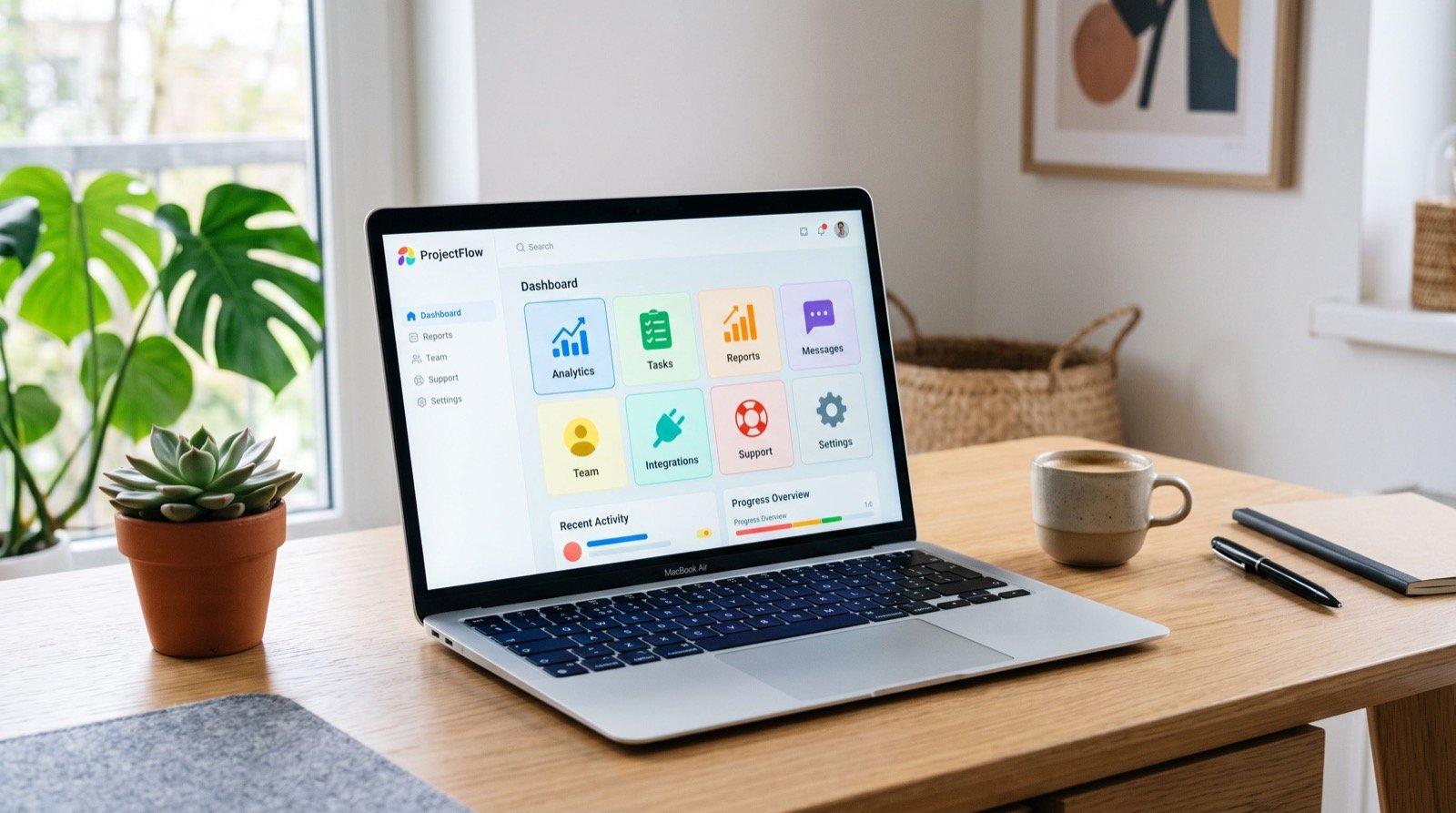
- Centralize the dashboard. Insist on one login that sees all locations live.
- Set shared KPIs. Define target wait times so branches compete on the same yardstick.
- Roll out in waves. Add branches in batches, learning from each wave.
- Review monthly. Use the data to refine staffing, layout, and signage chain-wide.
A hard-won tip: appoint a single “queue owner” at head office who lives in the dashboard. Without one accountable person watching the numbers, even the best platform drifts back toward guesswork within a quarter.
Watch for the classic scaling traps too. Do not let each branch manager invent their own service categories, or your comparative reports turn to noise within weeks. Avoid rolling out to every location in a single weekend; a staged wave gives your support team room to catch configuration mistakes before they multiply. And resist the urge to bolt on every optional feature at once. Launch with the essentials, prove the flow, then add mobile queuing or appointment booking once staff are fluent. Disciplined restraint at the start is what separates a chain that genuinely improves from one that simply owns expensive screens.
How do you measure ROI on a queue system?
Focus on three levers. First, recovered revenue from customers who no longer abandon the line. Second, labor efficiency, since data-driven scheduling means you staff peaks and trim quiet hours. Third, retention, because a calm experience brings people back. Track your baseline wait time before launch, then compare month over month. Most chains find that the reduction in walkaways alone justifies the investment, with staffing savings as a bonus.
Learning From Regional Best Practice
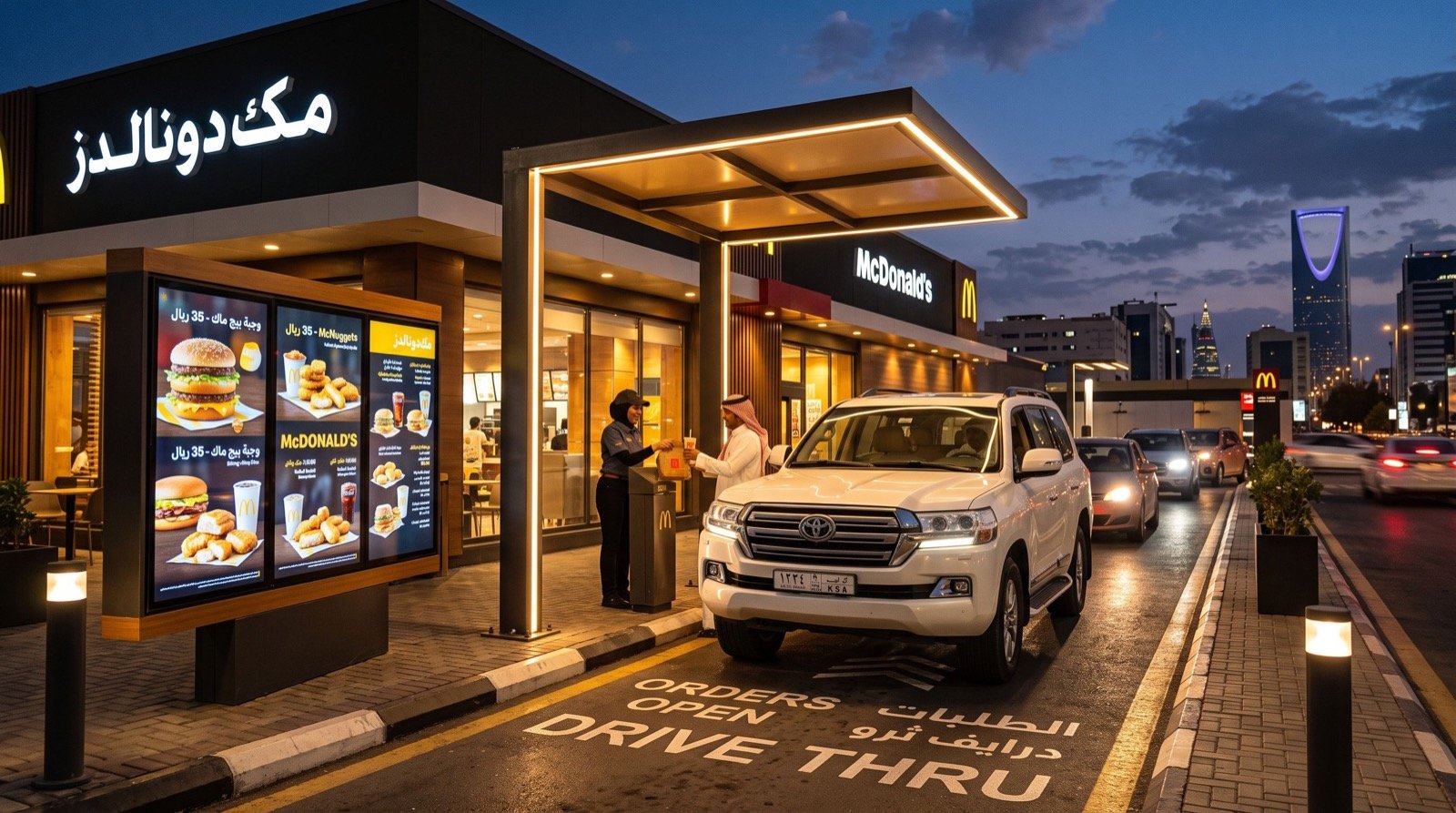
Lahore operators do not have to reinvent the wheel. Gulf markets adopted waiting-line technology aggressively, and their playbooks translate well. A mature queue management system in saudi arabia typically pairs virtual mobile queuing with appointment booking, letting customers hold a place from home. Importing those habits, mobile tickets, pre-booking, and priority lanes, gives Lahore chains a head start.
Retail research consistently links reduced waiting friction to higher spend and loyalty; analyses summarized by outlets such as Harvard Business Review underline how experience quality drives repeat business. Working with trusted professionals to adapt these proven patterns keeps a rollout both fast and locally relevant.
Single branch vs. multi-branch needs
| Requirement | Single Branch | Multi-Branch Chain |
|---|---|---|
| Dashboard | Local view | Centralized, all sites |
| Service setup | One-off config | Standardized taxonomy |
| Reporting | Branch metrics | Comparative benchmarks |
| Staffing | Manual | Data-driven per site |
| Support model | On-call fixes | SLA with local team |
Reliability, Data, and Local Support at Scale
The more branches you run, the more a single point of failure hurts. Choose a platform that keeps ticketing alive during a power or internet outage and syncs to the cloud when service returns. Confirm that the vendor offers a real service-level agreement with local engineers, because a two-day wait for a broken kiosk in a flagship branch is unacceptable. If the system collects phone numbers for SMS alerts, handle that data responsibly with clear consent and opt-out, and keep templates and records encrypted. At chain scale, disciplined data practice is not paperwork; it is risk management.
Frequently Asked Questions
What is a queue management system in Lahore?
It is hardware and software that organizes branch visitors into a fair, tracked line and reports the results. Customers take a token, follow their turn on a screen or phone, and get called to a counter, while managers and head office see live wait-time and service data across every location.
Can one system manage several branches at once?
Yes, and that is its biggest strength for growing businesses. A centralized dashboard lets head office monitor and compare every branch in real time, standardize services, and roll out improvements chain-wide from a single login.
How quickly can we roll out across the city?
After a successful two-week pilot in one flagship branch, most chains expand in waves, adding batches of branches every few weeks. The pace depends on hardware supply and staff training, but a disciplined phased plan avoids disruption to daily trade.
Is virtual mobile queuing worth adding?
For younger, smartphone-first customers, yes. Mobile tickets and appointment booking cut crowding in the branch and let people hold a place remotely, which is a proven pattern in mature markets and increasingly expected in Lahore.
Conclusion and Next Steps
Scaling a service business in Lahore without a plan for the lines is a recipe for inconsistent branches and frustrated customers. A well-chosen queue management system in Lahore gives you standardized service, comparable data, and a central view that makes growth manageable rather than chaotic. Standardize your services, pilot the template, centralize the dashboard, and roll out in disciplined waves. Ready to bring order and measurable ROI to every branch you run? Contact an experienced local provider today and map your multi-branch deployment.